
Systems — February 14, 2025 — 8 min read
Smart Home Integration: A Practical Automation Guide
The advent of smart home technology marks a significant evolution in the way we interact with our living spaces. Integrating smart appliances, security systems, and automation capabilities not only streamlines daily tasks but also enhances home security and energy efficiency. This guide explores the integration of this transformative technology, offering homeowners insights into creating a connected and efficient home environment.
Understanding Smart Home Technology
The Rise of the Smart Home
Smart home technology has rapidly evolved, driven by advancements in the Internet of Things (IoT) and artificial intelligence (AI). These innovations have led to a new era of home management where devices are interconnected, allowing for unprecedented control and automation. This interconnectedness means homeowners can manage various aspects of their home remotely and more efficiently.
Benefits of a Smart Home
The benefits of a smart home extend beyond mere convenience. Enhanced energy efficiency is a significant advantage, with smart systems optimizing the use of resources like electricity and water, leading to cost savings and a reduced environmental footprint. Improved security and safety, through intelligent monitoring systems, offer homeowners peace of mind. Additionally, the convenience of managing home systems through a smartphone or voice commands adds a layer of ease to everyday routines.
Smart Appliances and Systems
Intelligent Kitchen and Household Appliances
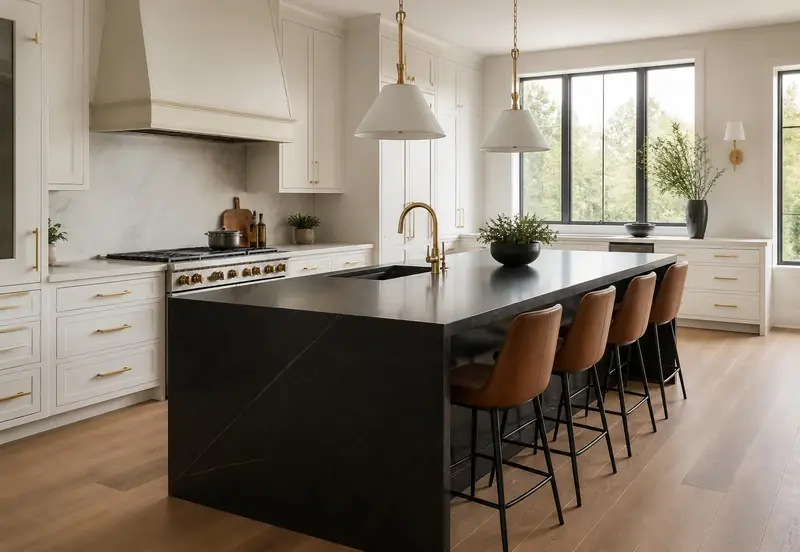
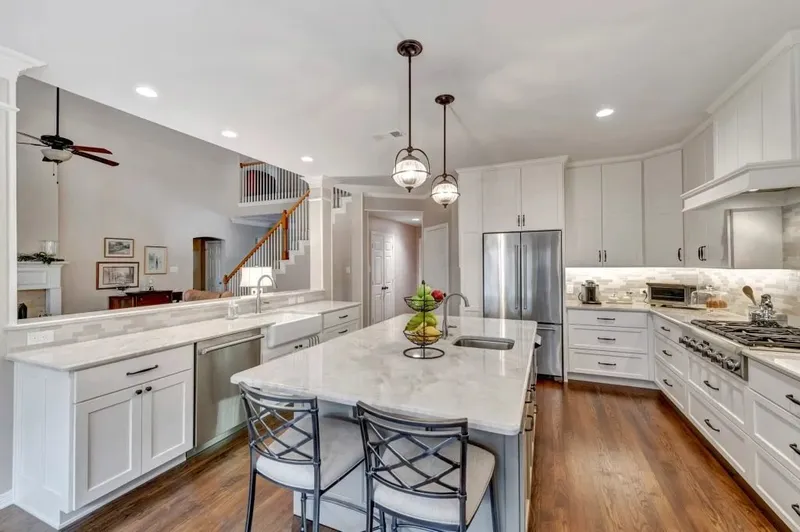
The modern kitchen can be equipped with a range of smart appliances that offer both convenience and efficiency. Refrigerators with built-in screens can suggest recipes based on contents, while smart ovens can be preheated remotely. Washing machines with intelligent load sensing adjust water and energy use based on the size of the load, enhancing efficiency. Integrating these appliances into a central home automation system allows for streamlined management and coordination of tasks.
Climate Control and Energy Management
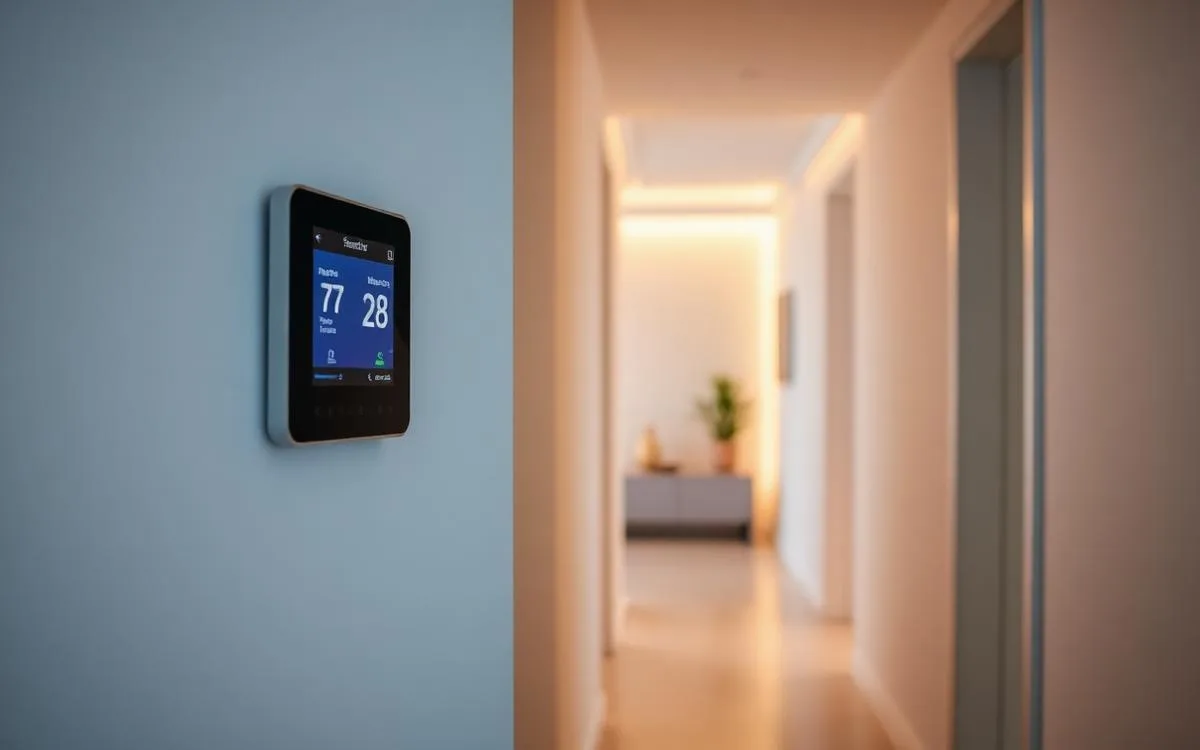
Smart thermostats like Nest and Ecobee adapt to your lifestyle, learning your preferences and schedule to optimize heating and cooling. These systems provide detailed energy usage reports, helping homeowners make informed decisions about their consumption patterns. The integration of smart meters and energy management systems further allows homeowners to monitor and control their energy usage in real time, leading to more efficient and cost-effective energy use.
Smart Home Security Systems
Advanced Security and Monitoring
Smart security systems have revolutionized home safety. Modern systems include high-definition cameras, smart alarms, and motion detectors that send real-time alerts to homeowners’ smartphones. Features like facial recognition can provide enhanced security, and integration with emergency services ensures rapid response in case of an incident. These systems can be controlled and monitored remotely, offering homeowners reassurance even when they are away from home.
Smart Locks and Access Control
Smart locks offer a level of convenience and security that traditional locks cannot match. Keyless entry systems, remote lock/unlock capabilities, and access logs are just a few of the features available. These systems can be integrated with other smart home devices, such as cameras and alarms, for a comprehensive security setup. Customizable user permissions make it easy to manage access for family members and visitors.
Automating Your Home with Smart Technology
Home Automation Systems
Home automation systems act as the central hub for smart home devices, offering streamlined control and coordination. Platforms like Google Home, Amazon Alexa, and Apple HomeKit allow users to control lights, thermostats, appliances, and security systems through voice commands or a single app. These systems can be programmed for scenarios like “Away Mode,” where lights, security cameras, and thermostats are adjusted automatically when the homeowner leaves the house.
Customization and Personalization
One of the key benefits of smart home technology is the ability to customize and personalize the home environment. Homeowners can set up routines for waking up, where lights gradually turn on and the coffee machine starts brewing at a set time, or create ambiance settings for movie nights with dimmed lights and activated surround sound. These personalized settings enhance the living experience, making the home more responsive to the homeowner’s needs.
Section 5: Planning and Implementing Smart Home Solutions
Choosing the Right Technology
Selecting the right smart home technology requires careful consideration of several factors. Compatibility with existing devices, scalability for future additions, and ease of use are critical aspects to consider. It’s important to choose devices and platforms that can work together seamlessly and are likely to be supported in the long term.
Installation and Setup
While some smart home devices are designed for DIY installation, others may require professional installation, especially when dealing with complex systems like whole-home automation or integrated security systems. Ensuring a strong and secure home network is essential for the smooth operation of smart devices. This might involve upgrading routers or adding network extenders to ensure reliable connectivity throughout the home.
Privacy and Security Considerations
As with any technology connected to the internet, smart home devices pose potential privacy and security risks. It’s crucial to secure these devices with strong, unique passwords and to keep their software updated to protect against vulnerabilities. Utilizing network security measures like firewalls and VPNs can further safeguard personal data. Homeowners should also be aware of the data collection practices of device manufacturers and service providers.
Conclusion
Adopting smart home technology is a forward-thinking move that brings a new level of convenience, efficiency, and security to the home. From intelligent appliances and climate control to advanced security systems and home automation, the possibilities are vast and continually evolving. By embracing smart technology, homeowners can not only enhance their day-to-day living experience but also prepare their homes for the future, making them more adaptable, secure, and efficient.
Ready to price your project?
Tell us what you have in mind and we'll contact you immediately to confirm your free, onsite assessment.
Get an Estimate