



Exteriors — February 14, 2025 — 7 min read
Roof Repair and Replacement Guide
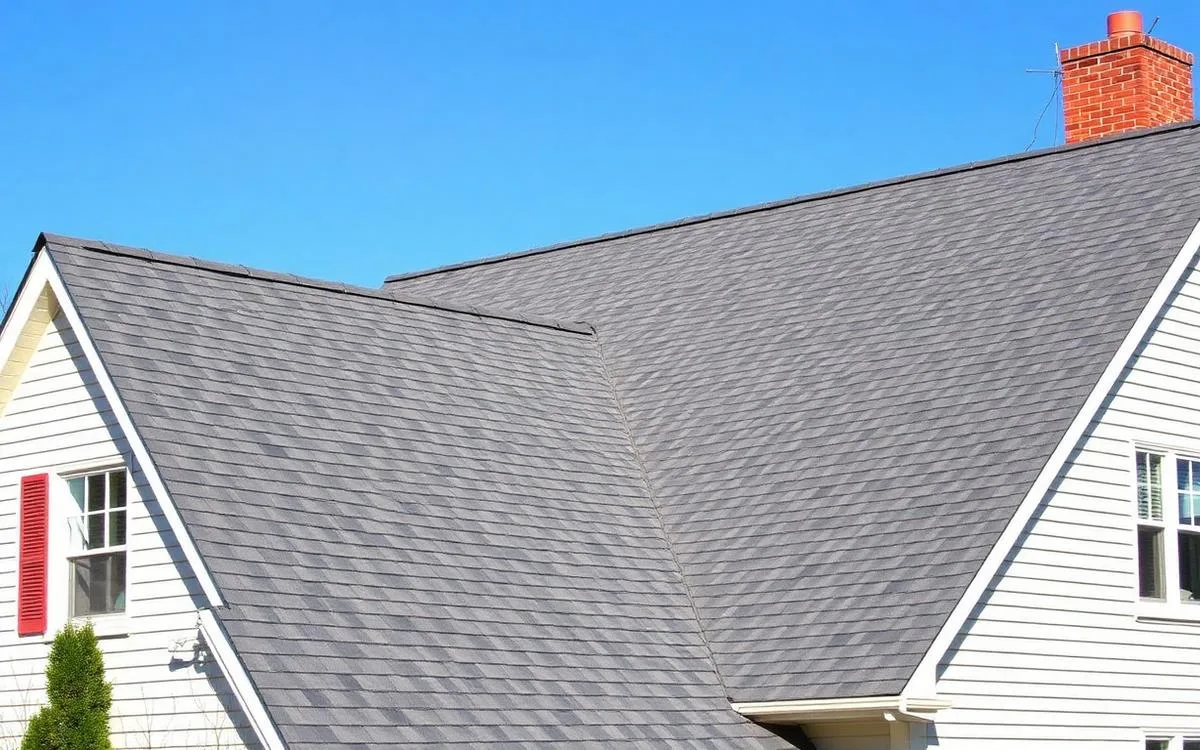
The roof, a home’s primary defense against the elements, is crucial for ensuring both safety and comfort. Understanding when to repair or replace a roof, and how to approach these processes, is essential for maintaining the structural integrity and efficiency of your home. This guide offers a thorough look into roof repair and replacement, equipping homeowners with the knowledge to make informed decisions about their roofing needs.
Assessing Roof Condition
Recognizing Signs of Roof Damage
Identifying roof damage early can prevent more extensive and costly repairs. Signs of a compromised roof include curled, cracked, or missing shingles; granules accumulating in gutters; visible sagging; daylight visible through the roof boards; and water stains on ceilings or walls. Regular inspections, especially after extreme weather events like heavy storms, high winds, or hail, are crucial in catching damage early.
The Impact of Age and Environment
The lifespan of a roof is influenced by its material, the quality of installation, and environmental conditions. For instance, asphalt shingle roofs typically last 20-25 years, while metal or tile roofs can last much longer. Factors like extreme temperatures, humidity, and proximity to trees can accelerate wear and tear. Regular maintenance, such as cleaning gutters and trimming overhanging branches, can help prolong a roof’s life.
Roof Repair Essentials
When to Opt for Repair Over Replacement
Repairing a roof is often more feasible and cost-effective if the damage is localized or the roof is relatively new. For example, replacing a few damaged shingles or repairing a minor leak can extend a roof’s life without the need for a full replacement. However, if repairs are frequent or the roof is nearing the end of its expected lifespan, replacement might be more economical in the long run.
Common Roof Repair Procedure s
Effective repair techniques depend on the type and extent of damage. Replacing damaged shingles, fixing leaks around chimneys or vent pipes, resealing flashings, and repairing gutters and downspouts are common procedures. For DIY enthusiasts, simple repairs like sealing minor leaks or replacing a handful of shingles can be manageable, but professional assessment is recommended for more significant repairs to ensure quality and safety.
Navigating Roof Replacement
Determining the Need for Replacement
Deciding to replace a roof is significant and often driven by factors like widespread damage, chronic leaking, major storm damage, or simply the age of the roof. Consistent problems despite regular repairs are a clear sign that a roof might be beyond saving. A professional roofer can provide a detailed inspection and recommendation based on the roof’s condition.
Material Options for Roof Replacement
Choosing the right material for a roof replacement is critical and depends on factors like climate, aesthetics, budget, and personal preferences. Asphalt shingles are popular for their cost-effectiveness and ease of installation. Metal roofing, while more expensive, offers durability and energy efficiency. Tile and slate are premium options known for their longevity and distinctive appearance but require a solid structural foundation due to their weight.
The Replacement Process
The process of replacing a roof involves several steps: removing the old roofing material, inspecting and repairing the underlying roof deck, installing new underlayment for moisture protection, and then laying the new roofing material. Professional installation ensures proper technique, which is vital for the roof’s longevity and effectiveness. The process can take anywhere from a few days to a few weeks, depending on the size and complexity of the roof.
Cost Considerations and Planning
Budgeting for Roof Work
The cost of roof repair or replacement can vary widely. Factors affecting cost include the size of the roof, chosen materials, labor costs, and any structural repairs needed. Gathering multiple quotes from reputable contractors is advisable to ensure a fair price. Financing options, like home equity loans or specialized lending programs, can also be explored.
Navigating Insurance and Warranties
Understanding your homeowner’s insurance policy is crucial, especially in determining what types of roof damage are covered. In cases of damage from natural disasters or accidents, insurance may cover a significant portion of the repair or replacement costs. Warranties, offered by both manufacturers of roofing materials and roofing contractors, can provide additional peace of mind. Be sure to understand the terms and conditions of any warranties associated with your roofing project.
Long-Term Roof Care and Maintenance
Maintaining Your New or Repaired Roof
Proper maintenance is key to maximizing the life of your roof. This includes regular cleaning of gutters and downspouts, removal of debris, inspection for potential issues, and prompt repairs of minor damages. Seasonal inspections, especially after harsh weather conditions, can help identify and address issues before they escalate.
Conclusion
Whether addressing minor repairs or undertaking a full roof replacement, informed decisions can ensure your home remains safe, comfortable, and energy-efficient. A well-maintained roof not only protects against the elements but also contributes to the overall value and appeal of your home. Investing in your roof is an investment in the longevity and safety of your living space, providing peace of mind for years to come.
Ready to price your project?
Tell us what you have in mind and we'll contact you immediately to confirm your free, onsite assessment.
Get an Estimate