

Systems — February 14, 2025 — 8 min read
Modernizing Your Home's Plumbing and Electrical Systems
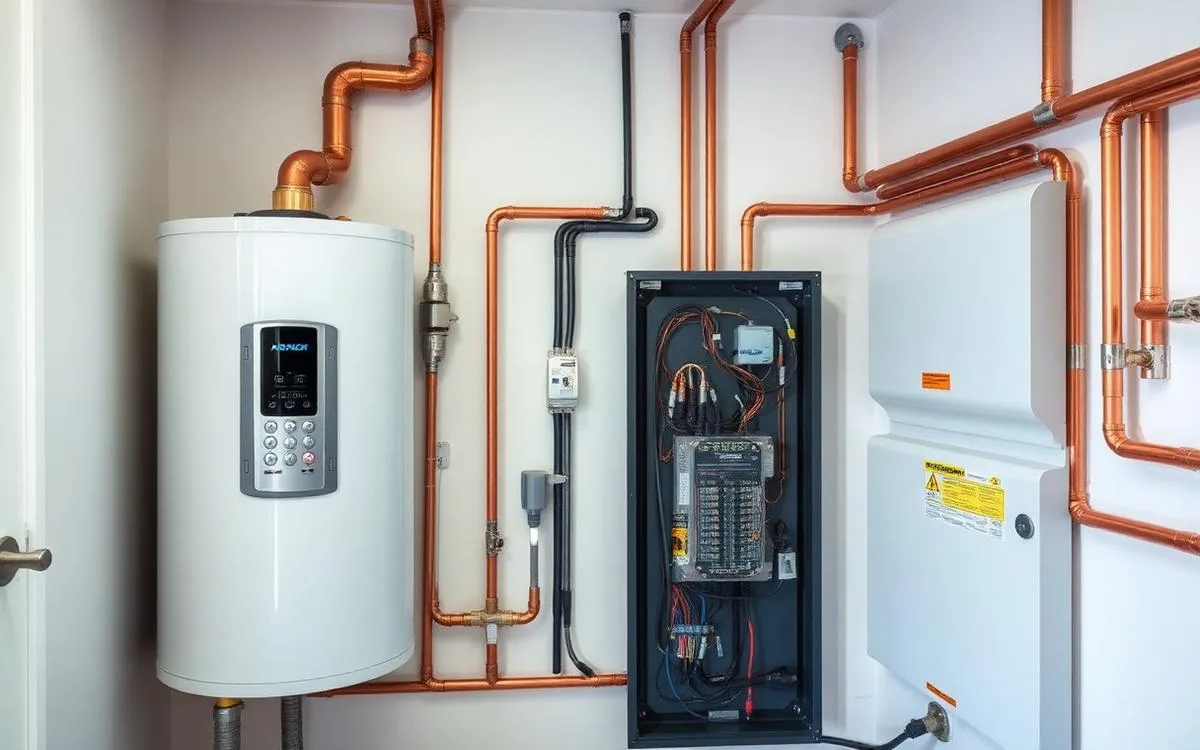
Modernizing the plumbing and electrical systems in a home is an essential step towards enhancing safety, efficiency, and overall functionality. As technology advances and building codes evolve, keeping these critical systems up to date not only ensures compliance but also adds significant value to your property. This comprehensive guide explores the key aspects of updating plumbing and electrical systems, from identifying the need for upgrades to the execution and benefits of modernization.
The Importance of Modernizing Plumbing and Electrical Systems
Why Upgrade?
Outdated plumbing and electrical systems pose various risks, from inefficient operation and increased utility bills to potential safety hazards like electrical fires or severe water damage. Upgrading these systems is crucial for ensuring they meet contemporary safety standards and can handle today’s technological demands. Additionally, modern systems can significantly boost property value and appeal to prospective buyers.
Assessing Your Current Systems
Identifying the signs of aging and wear in your systems is the first step toward modernization. Look for flickering lights, frequent circuit breaker trips, rusted pipes, or inconsistent water pressure. These issues often indicate that your systems are outdated and could benefit from an upgrade. Regular inspections by qualified professionals can help catch potential problems before they escalate.
Modernizing Plumbing Systems
Upgrading Pipes and Fixtures
The backbone of any plumbing system upgrade is the replacement of old pipes, particularly if they are made of galvanized steel or lead, with modern materials like PEX or copper. These newer materials are more durable, flexible, and less prone to corrosion. Upgrading fixtures to more efficient models, such as low-flow toilets and showerheads, can significantly reduce water consumption and lower utility bills.
Incorporating Smart Technology
Smart plumbing technology is revolutionizing home water systems. Leak detection systems can alert you to water leaks before they cause major damage, while smart water heaters and automated shut-off valves can improve efficiency and prevent accidents. These technologies not only help in conserving water but also provide peace of mind through enhanced control and monitoring of your home’s plumbing system.
Professional Assessment and Installation
Professional evaluation and installation are critical, especially when dealing with complex plumbing systems. A licensed plumber can provide an accurate assessment of your needs and ensure that any upgrades comply with local codes and regulations. Their expertise is invaluable in avoiding common pitfalls associated with DIY plumbing upgrades.
Modernizing Electrical Systems
Updating Wiring and Electrical Panels
As the demand for electricity in modern homes increases, so does the need for robust electrical systems. Replacing old wiring and upgrading electrical panels are essential for safety and functionality. Newer electrical panels offer improved circuit protection and can handle the electricity demands of modern appliances and devices.
Energy-Efficient Lighting and Appliances
Transitioning to energy-efficient lighting, such as LED bulbs, and ENERGY STAR-rated appliances can have a significant impact on your home’s energy consumption. These upgrades not only reduce your carbon footprint but also lower monthly utility bills, offering long-term savings.
Smart Home Integration
Integrating smart home technology enhances the functionality and control of your electrical system. Smart lighting, automated thermostats, and energy monitoring systems allow for greater convenience and energy management. These systems can be customized to your lifestyle, providing both comfort and efficiency.
Safety Measures and Code Compliance
Safety is paramount when it comes to electrical systems. Upgrades should always comply with current building codes and include the installation of GFCI outlets in bathrooms and kitchens, proper grounding, and surge protection. These measures are vital in preventing electrical accidents and ensuring the safety of the household.
Planning and Executing Upgrades
Budgeting and Prioritizing Upgrades
Budgeting for plumbing and electrical upgrades requires careful planning. Prioritize upgrades based on necessity and safety. Consider phased upgrades if budget constraints exist, starting with the most critical aspects. Research potential tax incentives or rebates for energy-efficient upgrades.
Choosing the Right Professionals
Selecting qualified professionals for plumbing and electrical work is crucial. Look for licensed and insured contractors with good reputations and references. Ensure they obtain the necessary permits and adhere to all local building codes.
Understanding the Timeline and Process
Understanding the scope and timeline of the project is essential for minimizing disruptions. Plumbing and electrical upgrades can vary in duration depending on the complexity of the project. Clear communication with contractors will help set realistic expectations and prepare for any temporary inconveniences during the upgrade process.
Conclusion
Modernizing your home’s plumbing and electrical systems is a proactive step towards ensuring a safe, efficient, and functional living environment. These upgrades not only cater to the current needs of modern technology and appliances but also contribute to long-term savings and environmental sustainability. Investing in these critical systems enhances the overall value and comfort of your home, making it a wise decision for any homeowner.
Ready to price your project?
Tell us what you have in mind and we'll contact you immediately to confirm your free, onsite assessment.
Get an Estimate