
Kitchens — February 14, 2025 — 9 min read
Kitchen Remodeling Essentials: Your Complete Guide to a Dream Kitchen Makeover
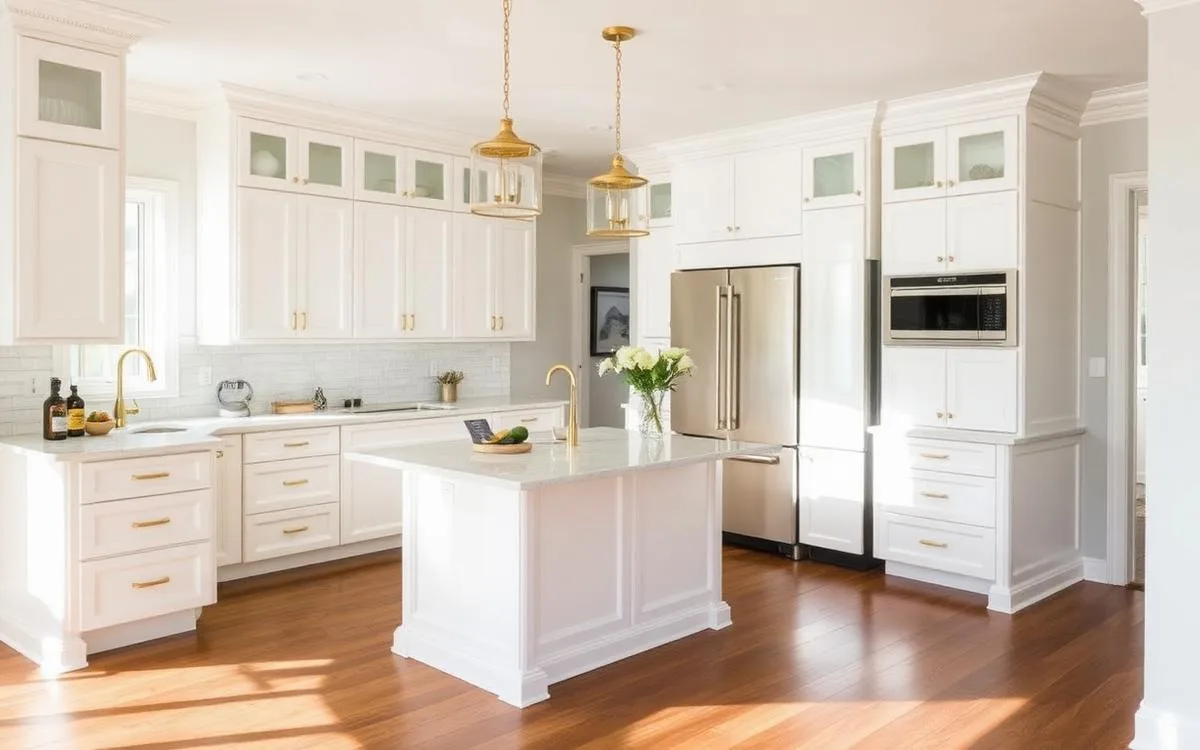
The kitchen, often the heart of a home, is where culinary creativity flourishes and family memories are made. A thoughtfully remodeled kitchen not only enhances your home’s functionality and aesthetic appeal but also significantly increases its market value. Whether you’re looking to update a few key areas or undertake a complete overhaul, this comprehensive guide aims to simplify the process, from initial planning to the finishing touches, ensuring a successful and enjoyable transformation of your kitchen space.
Planning Your Kitchen Remodel
Assessing Your Needs and Preferences
Your remodel should start with a clear understanding of your current kitchen’s limitations. Consider factors like the flow of traffic, storage capacity, and workspace adequacy. Do you find the layout constricting when cooking large meals? Are your countertops cluttered? Reflecting on these aspects will help you prioritize your remodeling goals.
Setting a Budget
Budgeting is critical in the remodeling process. Costs vary based on materials, finishes, appliances, and the extent of structural changes. Don’t overlook hidden costs like eating out during construction or temporary lodging if needed. Remember, investing in quality materials and workmanship can offer better longevity and add value to your home.
Design Inspirations
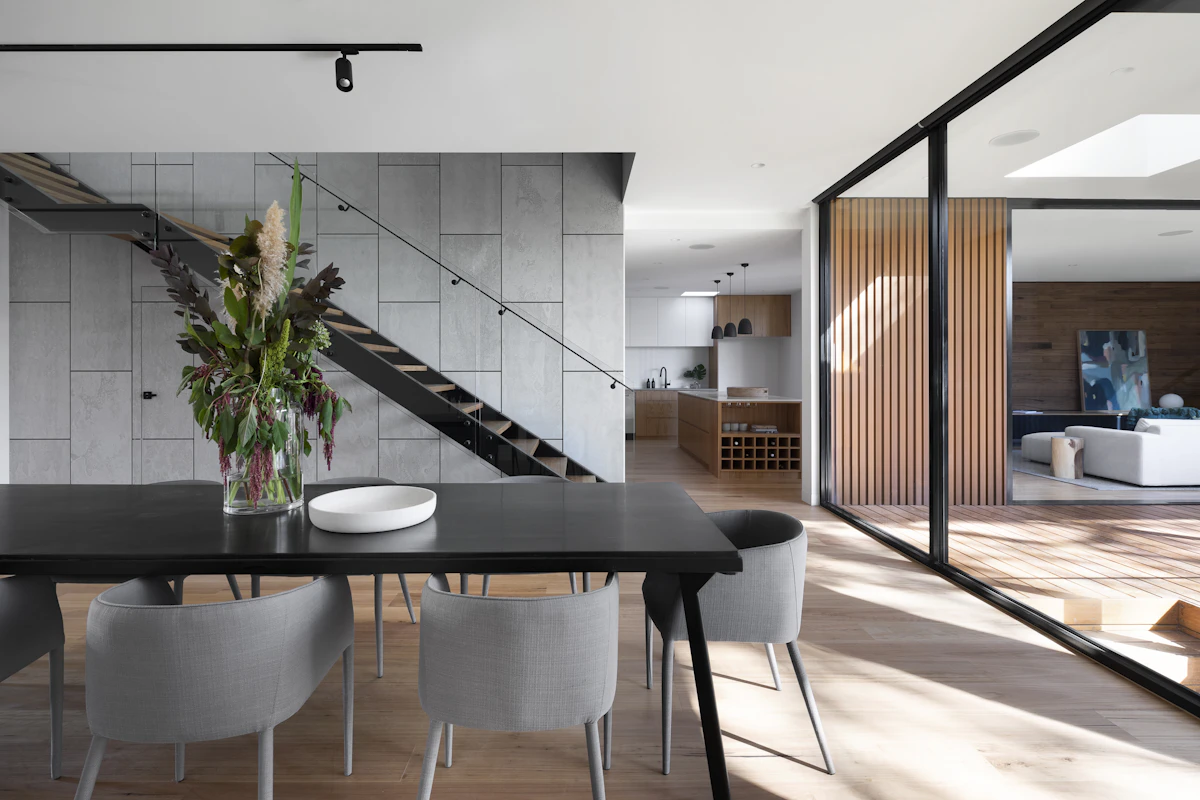
Your kitchen should reflect your personal style and fit seamlessly with the rest of your home. Whether you’re inspired by sleek, contemporary kitchens or charmed by rustic designs, your sources of inspiration can be vast. Think beyond aesthetics; consider how each element, from cabinetry to lighting, will contribute to the overall functionality and feel of the space.
Choosing Materials and Appliances
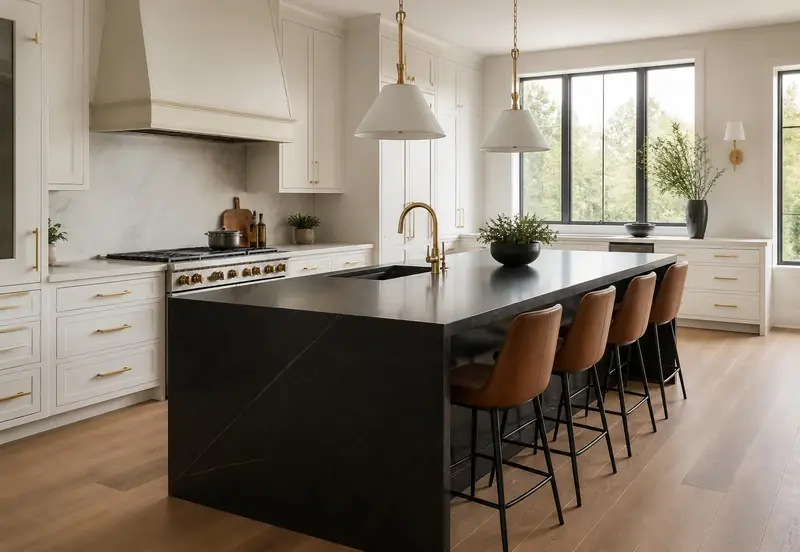
Cabinetry significantly impacts the look and function of your kitchen. Custom cabinets offer the most flexibility in terms of design and space utilization, but they come with a higher price tag. Semi-custom and stock options can provide a balance between cost and customization. Remember, the right hardware can also elevate the look of your cabinetry.
Countertops
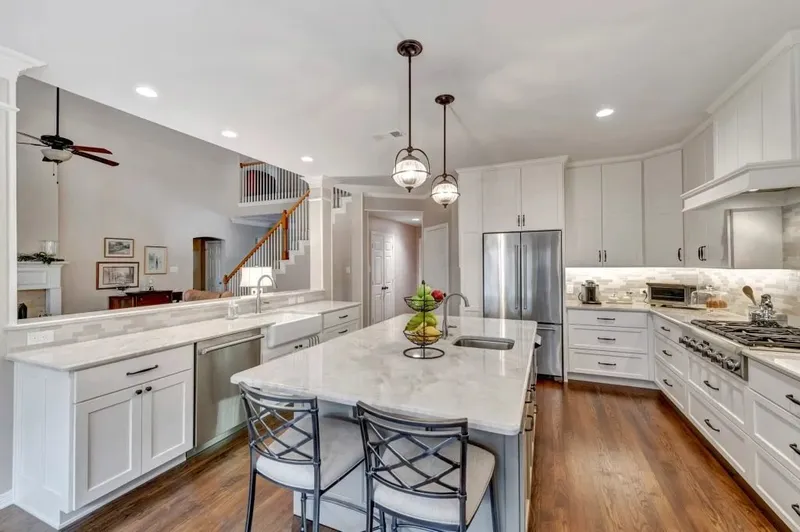
Countertops are not just work surfaces; they’re key visual elements. Materials like marble offer elegance but require more maintenance. If you’re looking for durability and less upkeep, quartz might be your best bet. For those on a tighter budget, options like laminate now come in a variety of sophisticated designs.
Appliances
Choosing the right appliances is about balancing functionality, style, and budget. Consider energy-efficient models for long-term savings. Look into the latest kitchen technology trends, such as ovens with preset cooking programs or refrigerators with advanced temperature controls, and assess how they align with your cooking habits.
The Remodeling Process
Hiring Professionals
Selecting the right contractor and design team is vital. Besides checking credentials and portfolios, consider their communication style and willingness to collaborate. A good relationship with your contractor can make the process smoother and more enjoyable.
DIY Considerations
While DIY projects can be satisfying and cost-effective, they’re best limited to cosmetic updates like painting or simple decor changes. Structural or mechanical work often requires professional expertise and knowledge of building codes and safety standards.
Timeline and Stages
Patience is key in a remodeling project. Each phase, from demolition to installation, can have varying timelines. Regular check-ins with your contractor can help manage expectations and keep the project on track. Prepare for the unexpected, as delays can occur due to material availability or unforeseen structural issues.
Design Tips and Tricks
Maximizing Space
For smaller kitchens, consider space-saving solutions like wall-mounted pot racks, under-sink organizers, or pull-out cutting boards. Think vertically and utilize wall space for open shelving or hanging storage.
Lighting and Color Schemes
The right lighting strategy can transform your kitchen. Task lighting is crucial in prep areas, while ambient lighting sets the overall mood. Accent lighting can highlight architectural features or display areas. When choosing colors, consider the psychological effects; for example, blues and greens create a calming atmosphere, while reds and yellows can stimulate appetite and energy.
Smart Kitchens
The integration of technology can greatly enhance kitchen functionality. Consider smart appliances that can be controlled remotely for added convenience. Features like programmable coffee makers or smart lighting systems can streamline your daily routine.
The Finishing Touches
Decor and Accessories
Accessories add character to your kitchen. Think of decorative elements like unique light fixtures, artisanal tiles for backsplashes, or statement pieces like a vintage-style range. Choose functional yet aesthetically pleasing items like beautiful canisters or ergonomic kitchen tools.
Future-Proofing Your Kitchen
When designing your kitchen, consider its adaptability to future needs. Choose classic elements for longevity and incorporate flexible features like adjustable shelving or modular units that can be rearranged as your needs evolve.
Conclusion
A kitchen remodel is more than just a home improvement project; it’s an investment in your lifestyle and your home’s value. With thoughtful planning, a clear vision, and the right team, your kitchen remodeling project can be a fulfilling and rewarding journey. Look forward to the joy and comfort your newly remodeled kitchen will bring, as it becomes the backdrop for many more cherished family moments and culinary adventures.
Ready to price your project?
Tell us what you have in mind and we'll contact you immediately to confirm your free, onsite assessment.
Get an Estimate