

Interiors — February 14, 2025 — 7 min read
Flooring Upgrade Guide: Hardwood, Laminate, or Tile
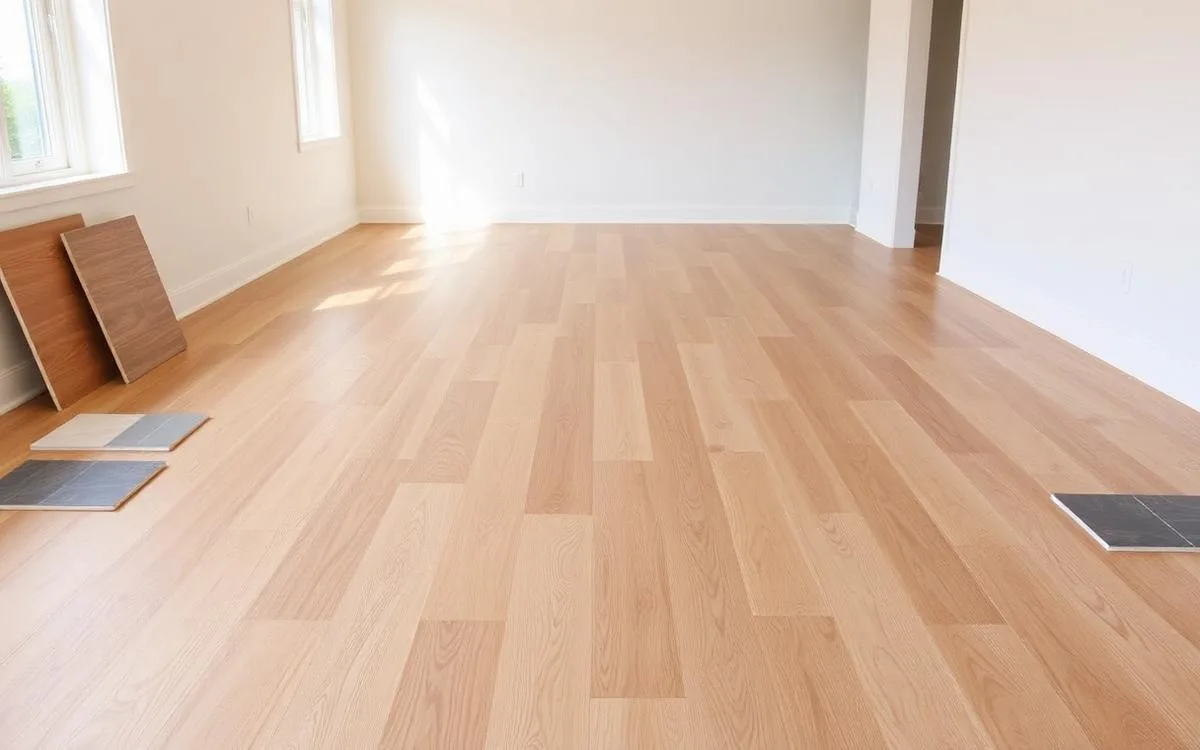
The choice of flooring in a home is crucial, influencing both the aesthetic appeal and the functionality of your living space. Upgrading your flooring can provide a significant transformation, whether you’re renovating an older home or putting final touches on a new one. In this guide, we explore three popular flooring options – hardwood, laminate, and tile – discussing their benefits, installation processes, and maintenance tips to help you make an informed decision.
Exploring Flooring Options
Hardwood: Timeless and Elegant
Hardwood flooring, revered for its classic look and enduring appeal, adds warmth and character to any room. Available in a variety of wood species, each type of hardwood brings its unique grain patterns and color variations. Oak, maple, and cherry are popular for their durability and ease of maintenance, while exotic woods like teak or mahogany offer distinct aesthetics. Discuss the pros and cons of solid versus engineered hardwood, and the impact of different finishes on the wood’s appearance and care.
Laminate: Affordable and Versatile
Laminate flooring has evolved significantly, now offering a wide range of designs that closely mimic the look of hardwood, stone, or ceramic tiles. Highlight the layered composition of laminate flooring, which makes it resistant to scratches and wear, making it an ideal choice for high-traffic areas and homes with pets or children. Emphasize its ease of installation, often favored by DIY enthusiasts, and its affordability compared to hardwood and tile.
Tile: Durable and Diverse
Tile flooring is known for its durability and water resistance, making it a perfect choice for bathrooms, kitchens, and other moisture-prone areas. Discuss the differences between ceramic, porcelain, and natural stone tiles, each offering unique benefits in terms of durability, maintenance, and aesthetic appeal. Explore the design flexibility that tiles offer, from traditional layouts to more creative patterns like herringbone or chevron.
Preparing for Installation
Measuring and Planning
Accurate measurement is key to a successful flooring installation. Offer detailed guidance on how to measure rooms and calculate the amount of flooring needed, factoring in a percentage for cutting waste and potential mistakes. Discuss the importance of considering the direction of planks or tiles to maximize visual appeal and room flow.
Subfloor Preparation
The condition of the subfloor is crucial for a successful installation. Provide advice on ensuring the subfloor is clean, level, and free of damage. Discuss the types of underlayment suitable for each flooring type and their role in providing stability, noise reduction, and moisture barriers.
Tools and Materials Needed
Detail the specific tools and materials required for each type of flooring installation. For hardwood, this might include a nail gun, saw, and spacers. For laminate, recommend a cutting tool, tapping block, and pull bar. For tile, list a tile cutter, notched trowel, and grout float, among others.
Installation Techniques
Hardwood Flooring Installation
Delve into the specifics of hardwood floor installation, including the choice between nail-down and glue-down methods. Discuss the importance of acclimating hardwood planks to the home’s environment to prevent future warping or gapping. Offer tips on ensuring a straight start and maintaining a consistent expansion gap around the room’s perimeter.
Laminate Flooring Installation
The ease of installing laminate flooring makes it a popular choice. Describe the process of laying the underlayment, clicking planks together, and cutting pieces to fit. Emphasize the importance of staggered joints for a natural look and structural stability.
Tile Flooring Installation
Tile installation requires precision and patience. Explain the process of laying out tiles before installation to plan the layout, spreading adhesive evenly, and placing tiles with consistent spacing. Provide tips on mixing and applying grout, and the importance of sealing certain tile types to prevent stains.
Maintenance and Care
Preserving Your Flooring
Proper maintenance extends the life and appearance of your flooring. For hardwood, discuss the best practices for cleaning and the importance of avoiding excessive moisture. For laminate, highlight its ease of maintenance and caution against using wet mops that can cause warping. For tile, provide tips on regular cleaning and resealing grout lines as necessary to maintain its appearance and water resistance.
Conclusion
Choosing and installing new flooring is a significant investment in your home. Whether you opt for the natural charm of hardwood, the practical benefits of laminate, or the durability of tile, each material offers unique advantages. With the right selection, installation, and care, your new flooring can enhance the beauty, comfort, and value of your home for years to come.
Ready to price your project?
Tell us what you have in mind and we'll contact you immediately to confirm your free, onsite assessment.
Get an Estimate