
Efficiency — February 14, 2025 — 7 min read
Energy Efficiency at Home: Strategies That Lower Bills
In an era where sustainability is paramount, enhancing the energy efficiency of your home is not just beneficial for the environment but also for your finances. Implementing energy efficiency improvements can significantly reduce your utility bills, improve your living comfort, and increase the value of your home. This comprehensive guide explores a range of strategies, from simple modifications to extensive renovations, to help you cut down on energy consumption and embrace a more sustainable lifestyle.
Understanding Energy Efficiency
The Importance of Being Energy Efficient
Energy efficiency is crucial for several reasons. Environmentally, it reduces the demand for energy resources and lowers greenhouse gas emissions. Economically, it cuts down on utility bills, potentially saving hundreds or even thousands of dollars annually. Additionally, energy-efficient homes often have a higher market value and appeal, making them a wise investment for the future.
How to Assess Your Home’s Energy Efficiency
A home energy audit is the first step in identifying where your home is losing energy and what steps to take to improve efficiency. You can start with a simple DIY audit, looking for drafts, checking insulation, and examining heating and cooling systems. For a more thorough assessment, consider hiring a professional. They can use tools like blower doors and infrared cameras to detect hard-to-find areas of energy loss.
Small Changes, Big Impact
Lighting Solutions
Switching to LED or CFL bulbs can significantly reduce your home’s energy consumption. These bulbs use 25-80% less energy than traditional incandescent bulbs and last much longer. Highlight the variety of colors and brightness levels available, making them suitable for almost any room in your home.
Smart Thermostats
Smart thermostats offer a high-tech solution to managing your home’s heating and cooling systems more efficiently. They learn your schedule and preferences, automatically adjusting the temperature when you’re asleep or away from home. Some models even provide energy consumption reports, helping you make more informed decisions about your usage.
Power Strips and Energy-Saving Appliances
Phantom energy – the power consumed by electronics when they are turned off but still plugged in – can be a significant energy drain. Advanced power strips can help mitigate this by shutting off power to devices that aren’t in use. Additionally, when purchasing new appliances, look for those with the ENERGY STAR label, indicating they meet energy efficiency guidelines set by the U.S. Environmental Protection Agency.
Major Energy Efficiency Renovations
Insulation and Sealing
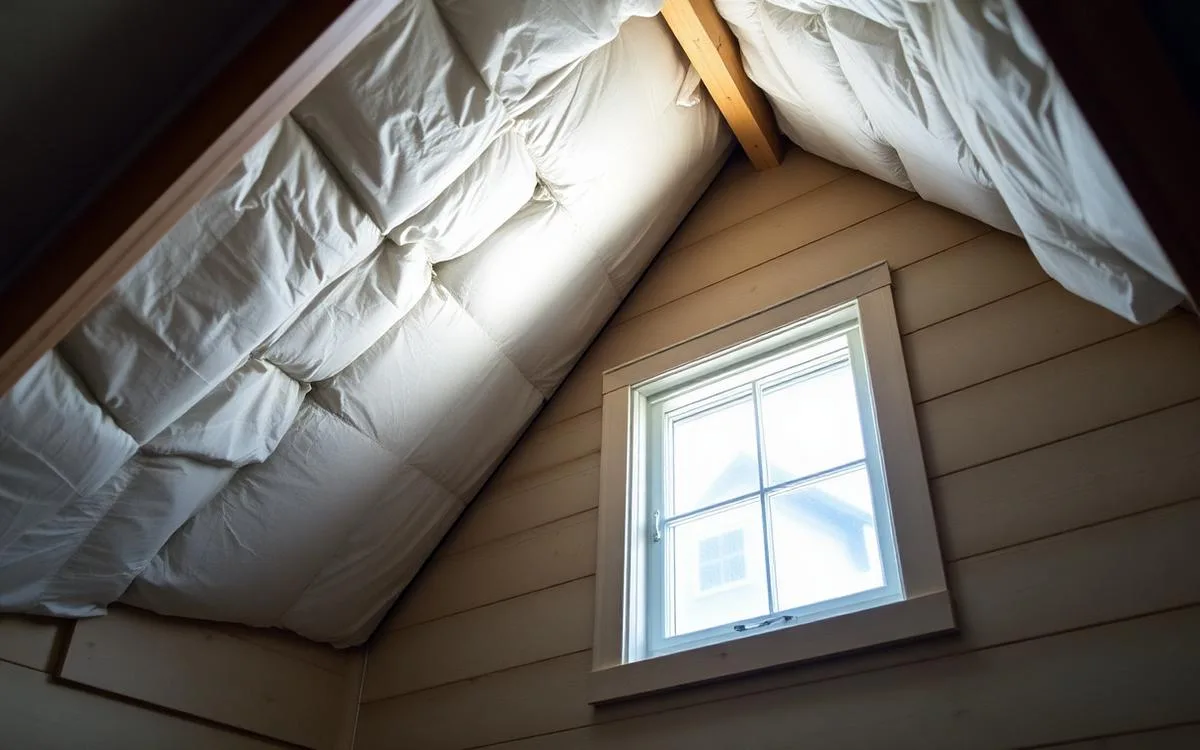
Insulation is one of the most effective ways to improve home energy efficiency. Discuss the various types of insulation – fiberglass, cellulose, spray foam – and where they are best used. Emphasize the importance of proper installation for maximum effectiveness. Sealing gaps and cracks around windows, doors, and other openings is another critical step in preventing heat loss and reducing energy bills.
Upgrading HVAC Systems
HVAC systems account for a large portion of home energy usage. Upgrading to a more efficient system can have a substantial impact on energy costs. Newer models are designed to use less energy while providing the same level of comfort. Also, discuss the importance of regular maintenance, such as changing filters and servicing, to keep the system running efficiently.
Solar Panels and Renewable Energy Sources
Solar panels offer a way to harness renewable energy, reducing reliance on traditional power sources. While the upfront cost can be significant, tax credits, rebates, and the long-term savings on electricity bills make solar panels an attractive investment. Detail the factors to consider when installing solar panels, such as roof condition, orientation, and local climate.
Sustainable Practices and Lifestyle Changes
Water Conservation
Water conservation is a critical aspect of energy efficiency, especially in heating water. Low-flow fixtures like showerheads and faucets can dramatically reduce water usage. Also, simple habits like fixing leaks and using water-efficient appliances can contribute significantly to overall energy savings.
Landscaping for Efficiency
Strategic landscaping can improve your home’s energy efficiency. Planting trees or shrubs to provide shade can reduce cooling costs in the summer, while creating windbreaks with trees or hedges can help reduce heating costs in the winter. Discuss how the choice of plants and their placement can influence your home’s energy consumption.
Adopting an Energy-Efficient Lifestyle
Finally, adopting an energy-efficient lifestyle is about making conscious choices in daily activities. Encourage behaviors like turning off lights when leaving a room, using appliances efficiently, and choosing energy-saving settings. Small changes in habits can lead to significant savings in energy consumption over time.
Conclusion
Making your home more energy efficient is a rewarding journey that benefits both the planet and your pocket. Whether through minor tweaks or major renovations, each step towards energy efficiency contributes to a more sustainable and cost-effective living environment. Embrace these improvements and enjoy the enhanced comfort, reduced utility bills, and satisfaction of contributing to a healthier planet.
Ready to price your project?
Tell us what you have in mind and we'll contact you immediately to confirm your free, onsite assessment.
Get an Estimate